









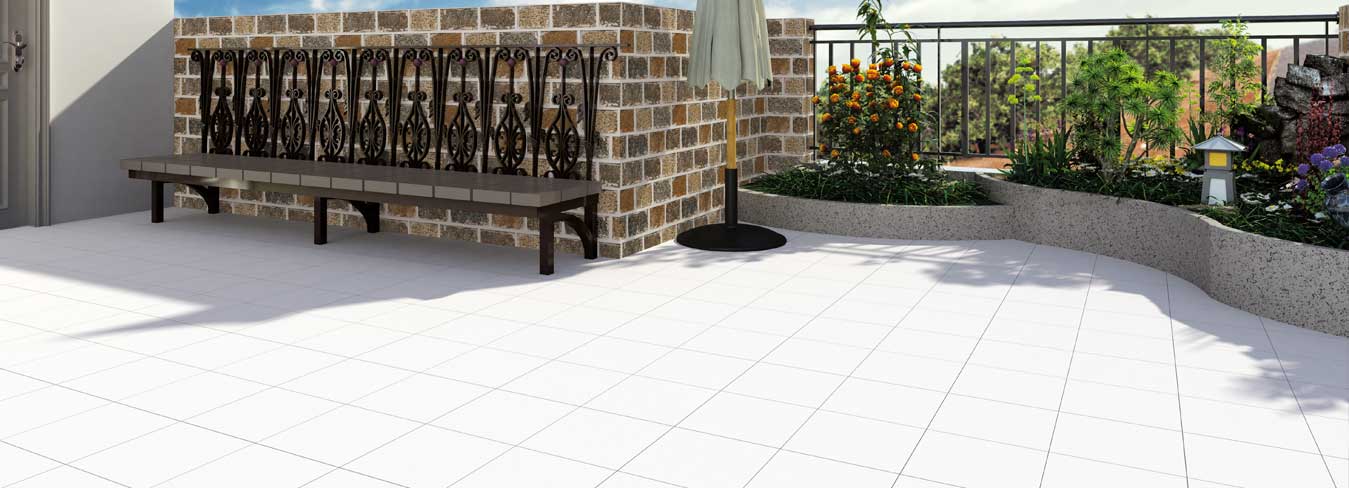
How to Reduce Heat from Rooftops Using the Right Tiles
Rooftops are one of the primary sources of heat gain in buildings, especially during Indian summers when surfaces are exposed to direct sunlight for long hours. Excessive heat absorption by roof surfaces not only increases indoor temperatures but also impacts comfort, energy consumption, and overall building performance. Selecting the right tiles for roof applications plays a critical role in reducing heat buildup and improving thermal efficiency.
This guide explains how the right tile selection—particularly cool roof tiles can help reduce heat from rooftops effectively.
Why Rooftops Contribute to Heat Gain
Roof surfaces absorb a large amount of solar radiation throughout the day. Conventional materials tend to store this heat and gradually transfer it into the building, increasing indoor temperatures, especially on top floors.
Using roof cooling tiles helps address this issue by reducing heat absorption and limiting heat transfer into interior spaces. This becomes especially important in residential, commercial, and industrial buildings with large, exposed rooftops.
Key Factors That Affect Rooftop Heat
Solar Reflectance
Solar reflectance refers to a material’s ability to reflect sunlight. Tiles with higher reflectance absorb less heat, keeping rooftop surfaces cooler. Cool roof tiles are specifically designed to reflect more solar radiation compared to standard tiles.
Thermal Emittance
Thermal emittance determines how quickly a material releases absorbed heat. Cool roof tiles with high thermal emittance prevent heat buildup by releasing stored heat faster.
Tile Colour
Colour has a direct impact on heat absorption:
- Light-coloured tiles reflect more sunlight
- Dark-coloured tiles absorb and retain more heat
Choosing lighter shades is essential when selectingtiles for roof heat reduction.
Surface Finish
Surface finish also influences heat behaviour:
- Matte and textured finishes reduce glare and disperse heat better
- Glossy surfaces may increase heat retention and reflection glare
For rooftop applications, performance-oriented finishes are more effective.
Role of Cool Roof Tiles in Heat Reduction
Cool roof tiles are engineered to reduce rooftop heat through a combination of high solar reflectance and thermal emittance. These tiles maintain lower surface temperatures compared to conventional roofing materials.
Using cool roof tiles helps:
- Reduce rooftop surface temperature
- Minimise heat transfer into buildings
- Improve indoor comfort
- Support energy-efficient building design
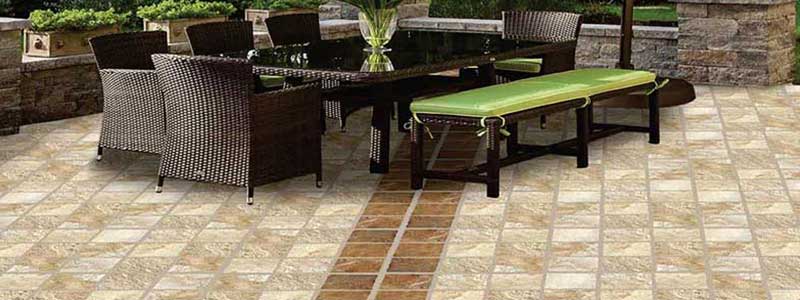
They are widely used in terraces, commercial buildings, and industrial sheds where heat exposure is high.
Cooling Tiles for Roof Applications
Cooling tiles for roof are designed to perform under extreme heat conditions. These tiles function as heat resistant tiles for roof, ensuring structural stability even under prolonged exposure to sunlight.
Cooling roof tiles offer:
- Better thermal performance
- Reduced surface heat retention
- Long-term durability in outdoor conditions
They are suitable for both flat and sloped rooftops.
Benefits of Using the Right Rooftop Tiles
Selecting appropriate rooftop tiles provides several advantages:
- Lower indoor temperatures, especially on upper floors
- Reduced dependence on air conditioning
- Improved usability of rooftop spacess
- Better long-term performance under heat exposure
- Lower thermal stress on building structures
These benefits make roof cooling tiles a practical solution for heat management.
Additional Considerations for Rooftop Tile Selection
Durability - Tiles should withstand temperature fluctuations without cracking or fading.
Water Resistance - Low water absorption ensures better performance during monsoon conditions.
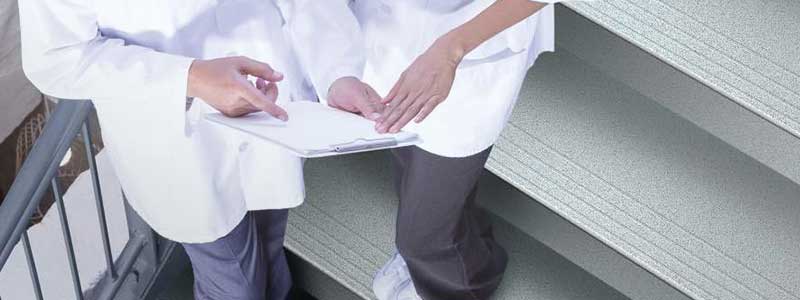
Slip Resistance - Rooftop tiles should provide adequate grip, especially for accessible terraces.
Installation Quality - Proper installation ensures uniform performance and prevents heat-related damage.
Common Mistakes to Avoid
- Using dark-coloured tiles on rooftops
- Selecting tiles based only on appearance
- Ignoring thermal performance and SRI values
- Using indoor tiles for rooftop applications
Avoiding these mistakes ensures better heat control and long-term durability.
Conclusion
Reducing heat from rooftops requires a combination of the right materials and informed selection. Using cool roof tiles and heat resistant tiles for roof helps minimise heat absorption and improve overall building comfort.
By considering factors such as solar reflectance, tile colour, surface finish, and durability, it becomes possible to create rooftops that perform efficiently even under extreme summer conditions. Choosing the right tiles for roof applications ensures long-term thermal performance and usability.


