





How Rain Affects Different Types of Floor Tiles
The monsoon season tests the performance of every outdoor flooring installation. Heavy rainfall, prolonged moisture, fluctuating temperatures, and inadequate drainage can lead to a range of issues that impact both the appearance and structural integrity of outdoor surfaces. While slips and falls are an important concern, many long-term flooring failures are caused by poor drainage, water seepage, improper installation, and selecting tiles that are not designed for outdoor use.
Not all tiles perform the same under wet conditions. Factors such as water absorption, slip resistance, surface finish, and durability determine how well a tile withstands prolonged exposure to moisture. Selecting the right flooring material helps maintain safety, reduce maintenance, and improve long-term performance.
Why Monsoon Conditions Affect Floor Tiles ?
During the rainy season, outdoor flooring is exposed to continuous moisture, dirt, mud, and temperature fluctuations. These conditions can cause several issues if the flooring is not designed for outdoor use.
Common challenges include:
- Slippery surfaces due to rainwater
- Water absorption leading to cracks or stains
- Growth of moss, algae, or mildew
- Loss of surface finish
- Increased maintenance requirements
Choosing high-quality outdoor floor tiles with the right technical properties can significantly reduce these issues.
How Different Types of Floor Tiles Perform During Rain
Vitrified Tiles
Vitrified tiles are among the most reliable choices for outdoor applications because of their dense composition and low water absorption.
Advantages:
- Excellent moisture resistance
- High durability
- Resistant to stains and weather
- Suitable for terraces, walkways, and commercial outdoor areas
Outdoor vitrified tiles are widely used because they maintain their strength and appearance even after prolonged exposure to rain.
Ceramic Tiles
Ceramic tiles are commonly used indoors but can also be installed outdoors if specifically manufactured for external applications.
However, standard ceramic tiles generally:
- Have higher water absorption
- May become slippery with glossy finishes
- Require proper installation and drainage
Heavy-Duty Outdoor Tiles
Areas such as parking zones, industrial premises, loading bays, and commercial entrances require flooring capable of handling both rain and heavy loads.
Heavy-duty outdoor tiles offer:
- High load-bearing capacity
- Better abrasion resistance
- Low water absorption
- Long service life under changing weather conditions
These tiles are particularly suitable for high-traffic outdoor environments.
Importance of Water Absorption
One of the most important factors influencing tile performance during monsoon is water absorption.
Tiles with high water absorption allow moisture to penetrate the surface, increasing the possibility of:
- Cracks due to expansion and contraction
- Surface stains
- Efflorescence
- Reduced durability
Low-porosity vitrified tiles help minimise these risks and provide consistent performance throughout the rainy season.
Tiles Comparison
Different flooring materials respond differently to prolonged exposure to rain, moisture, and changing weather conditions. Understanding these differences helps project owners select the most suitable solution for outdoor applications.
| Tile Type | Performance During Rain | Best Applications | Endura Recommendation |
|---|---|---|---|
| Outdoor Vitrified Tiles | Excellent moisture resistance with very low water absorption | Terraces, walkways, courtyards, commercial landscapes | Highly Recommended |
| Anti-Skid Outdoor Tiles | Superior grip and slip resistance on wet surfaces | Entrances, ramps, pathways, pool surrounds | Highly Recommended |
| Heavy-Duty Outdoor Tiles | Excellent strength under vehicular and heavy pedestrian traffic | Parking areas, driveways, industrial and commercial spaces | Highly Recommended |
| Glossy Indoor Tiles | Become slippery when exposed to rain and moisture | Indoor spaces only | Not Recommended for Outdoor Use |
The comparison highlights why selecting application-specific outdoor tiles is essential for maintaining safety, durability, and long-term performance during the monsoon season.
Surface Finish Matters During Monsoon
The finish of a tile directly impacts its safety in wet conditions.
Matte and Textured Tiles
Matte and textured finishes provide:
- Better traction
- Reduced slip risk
- Improved grip during rainfall
- Better concealment of dirt and water marks
These finishes are recommended for terraces, walkways, parking areas, and public spaces.
Glossy Tiles
Glossy tiles create an attractive appearance indoors but can become slippery when exposed to rainwater. They are generally not recommended for outdoor applications with frequent pedestrian movement.
Weather Resistance and Durability
Outdoor flooring must withstand more than rain alone. UV rays, humidity, changing temperatures, and heavy foot traffic all influence tile performance.
Weather-resistant tiles are designed to:
- Resist fading
- Maintain structural integrity
- Withstand repeated wet and dry cycles
- Perform consistently across seasons
This makes them ideal for projects requiring long-term durability.
Best Applications for Rain-Resistant Tiles
Different outdoor areas have different performance requirements.
Terraces
Outdoor terrace tiles should provide:
- Slip resistance
- Low water absorption
- Weather resistance
Walkways
Walkways require textured tiles that improve pedestrian safety while resisting wear caused by frequent use.
Parking Areas
Outdoor parking tiles should combine high strength, abrasion resistance, and effective drainage to withstand both rainfall and vehicle movement.
Commercial Outdoor Spaces
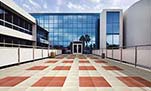
Entrances, plazas, courtyards, and open public areas benefit from heavy-duty, weather-resistant flooring that maintains safety during continuous rain.
Endura's Recommendation for Outdoor Applications
At Endura Tiles, outdoor flooring solutions are developed to address the challenges posed by India's diverse climatic conditions, including prolonged monsoon exposure. Depending on the application, Endura recommends:
- Anti-Skid Outdoor Tiles for terraces, ramps, walkways, and entrances where enhanced grip is essential.
- Outdoor Vitrified Tiles for courtyards, landscaped areas, and open recreational spaces requiring low water absorption and weather resistance.
- Heavy-Duty Outdoor Tiles for parking areas, driveways, commercial premises, and industrial facilities that demand superior strength and abrasion resistance.
Conclusion
Rain can significantly affect the performance of floor tiles if the wrong material is selected. Factors such as water absorption, surface finish, durability, and slip resistance determine how well tiles perform during the monsoon season.
For outdoor spaces such as terraces, walkways, parking areas, and commercial entrances, vitrified and weather-resistant tiles with anti-skid surfaces provide better safety, lower maintenance, and longer service life. Choosing the right flooring not only protects the surface from seasonal damage but also creates safer and more reliable outdoor environments.


