






Common Flooring Problems During Monsoon and How to Avoid Them
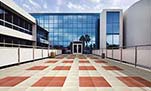
The monsoon season brings welcome relief from the summer heat, but it also introduces challenges for flooring. Continuous rainfall, high humidity, and standing water can impact the appearance, safety, and durability of floor tiles if the right material is not chosen. Whether it's a residential terrace, commercial entrance, outdoor walkway, parking area, or public space, understanding how rain affects different types of floor tiles is essential for making an informed flooring decision.
Whether it is a terrace, driveway, parking area, pathway, courtyard, or commercial landscape, choosing technically suitable outdoor tiles and following correct installation practices can significantly improve the lifespan of the flooring.
At Endura Tiles, outdoor flooring solutions are engineered to perform in demanding weather conditions. With low water absorption, high mechanical strength, and application-specific outdoor tile collections, Endura helps create durable surfaces that withstand the challenges of the Indian monsoon.
Why Monsoon Affects Outdoor Flooring?
Unlike indoor flooring, outdoor tiles are constantly exposed to rainwater, humidity, UV radiation, mud, and temperature changes. If the flooring system is not properly designed, moisture gradually affects both the tile surface and the underlying installation.
The most common reasons for flooring damage during monsoon include:
- Poor surface drainage
- Inadequate waterproofing beneath the tiles
- High water absorption in low-quality tiles
- Improper slope during installation
- Weak bedding or adhesive systems
- Continuous exposure to moisture and heavy traffic
Most of these problems can be prevented through proper tile selection and professional installation.
1. Water Accumulation Due to Poor Drainage
One of the most common causes of outdoor flooring failure is standing water. When rainwater remains on the surface for extended periods, it accelerates wear and creates ideal conditions for algae, staining, and moisture penetration.
How to Prevent It
Outdoor flooring should always be designed with an appropriate slope that directs water towards drainage outlets. Properly planned drainage systems reduce water accumulation and protect the flooring from long-term damage.
Endura recommends considering drainage design during the planning stage rather than treating it as a post-installation solution.
2. Water Seepage Beneath the Tiles
Moisture does not always remain on the surface. Without effective waterproofing, water can penetrate beneath the tiles, affecting the adhesive layer and substrate.
Over time, this may result in:
- Hollow-sounding tiles
- Tile debonding
- Efflorescence
- Damp patches
- Structural deterioration
How to Prevent It
A complete outdoor flooring system should include:
- Waterproofing membranes before tile installation
- Exterior-grade adhesives
- Properly sealed expansion joints
- Low water absorption vitrified outdoor tiles
Combining these elements significantly improves the durability of outdoor flooring.
3. Cracks Caused by Moisture and Temperature Changes
Outdoor flooring continuously expands and contracts because of changing temperatures and moisture levels.
If expansion joints are missing or inappropriate materials are used, tiles may develop cracks over time.
How to Prevent It
Select outdoor tiles with high mechanical strength and ensure expansion joints are incorporated into larger paved areas. Professional installation helps accommodate natural movement without damaging the flooring.
4. Surface Wear in High-Traffic Outdoor Areas
Rainwater often carries sand, mud, and other abrasive particles onto outdoor floors. Combined with continuous pedestrian or vehicular movement, this accelerates surface wear.
Areas most affected include:
- Parking spaces
- Driveways
- Commercial entrances
- Public walkways
- Industrial facilities
These tiles are particularly suitable for high-traffic outdoor environments.
How to Prevent It
Heavy-duty outdoor vitrified tiles with high abrasion resistance provide better long-term performance in demanding environments.
Endura's Heavy-Duty Outdoor Tile range is designed for applications where strength and durability are critical.
5. Moss, Algae, and Organic Growth
Persistent moisture encourages the growth of moss, algae, and mildew, particularly in shaded outdoor areas.
Apart from affecting aesthetics, these organisms retain moisture and increase maintenance requirements.
How to Prevent It
Good drainage, adequate sunlight, periodic cleaning, and low-porosity outdoor tiles help minimise organic growth and simplify maintenance.
6. Premature Tile Deterioration
Outdoor flooring that is not designed for exterior applications may begin to show signs of deterioration within a few seasons.
Common issues include:
- Edge chipping
- Surface fading
- Loss of finish
- Water staining
- Reduced structural performance
How to Prevent It
Choose outdoor vitrified tiles specifically engineered for exposure to rain, sunlight, and temperature fluctuations. Weather-resistant finishes and low water absorption improve long-term durability while reducing maintenance costs.
Comparison: Common Monsoon Flooring Problems and Their Solutions
| Flooring Problem | Primary Cause | Recommended Solution |
|---|---|---|
| Standing Water | Poor drainage | Proper surface slope and drainage planning |
| Water Seepage | Lack of waterproofing | Waterproof membranes and low water absorption tiles |
| Tile Cracking | Thermal movement and weak installation | Expansion joints and high-strength outdoor tiles |
| Surface Wear | Heavy traffic and abrasive particles | Heavy-duty vitrified outdoor tiles |
| Moss & Algae Growth | Persistent moisture | Textured low-porosity tiles and regular maintenance |
| Premature Deterioration | Incorrect tile selection | Weather-resistant outdoor tile systems |
Why Outdoor Tile Selection Matters
Choosing the right outdoor tile is one of the most effective ways to minimise monsoon-related flooring issues.
For demanding outdoor applications, key technical characteristics include:
- Low water absorption
- High flexural and mechanical strength
- Abrasion resistance
- Weather resistance
- UV stability
- Easy maintenance
- Suitability for exterior installation
Endura's outdoor tile collections are designed around these performance requirements, making them suitable for terraces, parking areas, commercial landscapes, walkways, courtyards, and other exposed outdoor spaces.
Maintenance Tips During Monsoon
Proper maintenance extends the life of outdoor flooring.
Best practices include:
- Keep drainage channels free from debris.
- Remove standing water wherever possible.
- Inspect expansion joints periodically.
- Clean mud, leaves, and organic deposits regularly.
- Check for damaged grout or sealants after heavy rainfall.
- Schedule periodic inspections for high-traffic areas.
Preventive maintenance helps reduce repair costs and preserves the long-term performance of outdoor flooring.
Conclusion
Many flooring problems during monsoon originate below the surface rather than on it. Poor drainage, inadequate waterproofing, improper installation, and unsuitable tile selection often lead to costly repairs and reduced service life.
By choosing outdoor tiles with low water absorption, high durability, and weather resistance—and by ensuring proper drainage and waterproofing—project owners can significantly improve the performance of outdoor flooring during the rainy season.
Endura's engineered outdoor tile solutions are designed to address these challenges, delivering reliable performance across residential, commercial, and infrastructure projects where durability is just as important as aesthetics.


