












Glossy vs Matte Tiles: Which Is Better?
Choosing the right tile finish plays a crucial role in defining the overall look, performance, and usability of a space. Among the most common options, glossy and matte tiles are widely used across residential and commercial projects. Each finish offers distinct visual and functional characteristics, making it important to understand how they differ before making a selection.
This guide presents a clear matte vs glossy tiles comparison, covering appearance, maintenance, safety, durability, and suitability for different spaces, helping you decide which option works best for your requirements.
Understanding Glossy and Matte Tiles
Glossy tiles have a smooth, polished surface that reflects light, creating a bright and premium appearance.
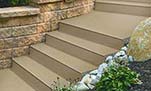
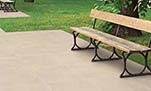
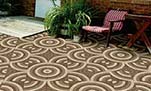
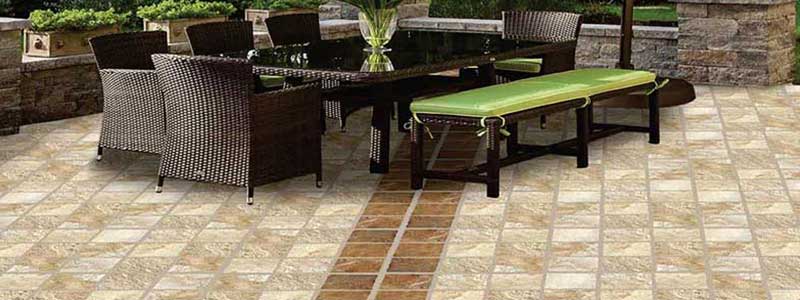
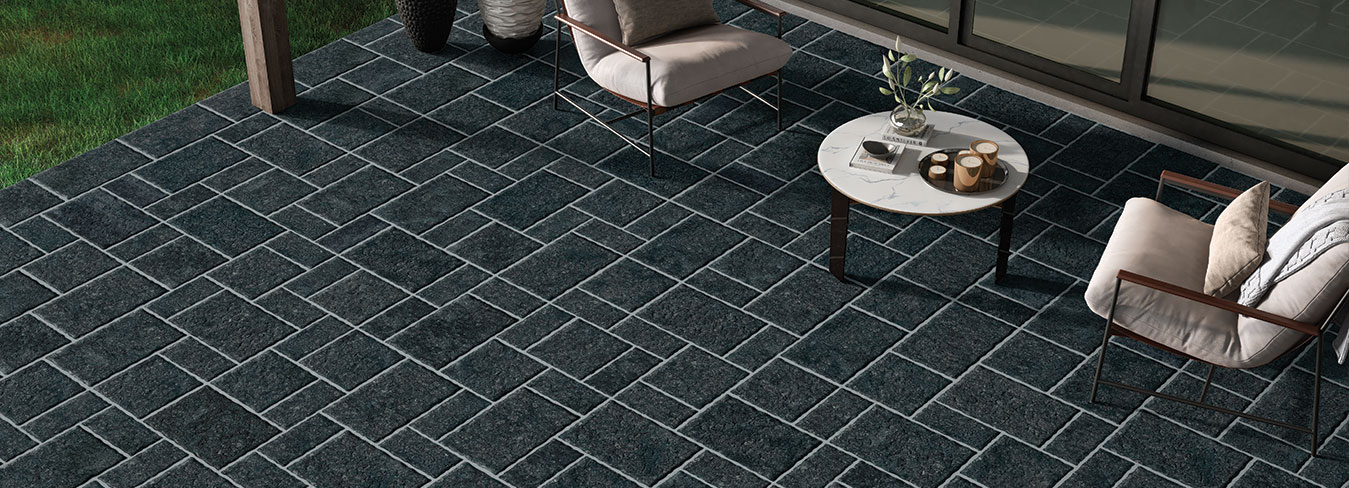
Matte tiles, on the other hand, have a non-shiny finish with a subtle texture, offering a more understated and natural look.
Both finishes are available across ceramic and vitrified tiles, making them suitable for a wide range of applications.
Appearance and Aesthetic Impact
When it comes to visual appeal, glossy tiles are often associated with a premium and luxurious look. Their reflective surface enhances lighting and can make spaces appear larger, making them popular in areas where brightness and elegance are desired.
Matte tiles deliver a soft, contemporary appearance. They complement modern, minimalist, and functional designs and are preferred where a natural or muted aesthetic is required.
Best tiles for premium look:
- Glossy tiles work well for formal spaces and feature areas
- Matte tiles suit subtle, refined interiors and practical environments
Glossy Tiles: Advantages and Disadvantages
Advantages
- Reflect light and enhance brightness
- Create a clean, polished, and premium appearance
- Suitable for areas with low moisture exposure
- Easy to wipe clean in dry conditions
Disadvantages
- Can become slippery when wet
- Show scratches, stains, and footprints more easily
- Require frequent cleaning to maintain shine
Because of these factors, glossy tiles are better suited for low-traffic and dry areas.
Matte Tiles: Performance and Practicality
Matte tiles are known for their functional reliability and are widely used for flooring applications.
Key Benefits
- Better grip and slip resistance
- Hide dust, stains, and minor scratches effectively
- Ideal for matte tiles for floor applications
- Lower maintenance compared to glossy finishes
Matte finishes are often preferred where safety and durability are more important than shine.
Matte vs Glossy Floor Tiles: Safety Considerations
One of the most important factors in choosing between glossy and matte tiles is slip resistance.
- Glossy tiles have a smooth surface that may become slippery in wet conditions
- Matte tiles provide better traction, making them suitable as non-slip tiles for living room, corridors, kitchens, and bathrooms
For areas exposed to moisture or frequent foot traffic, matte tiles are generally considered safer.
Polished Tiles vs Matte Tiles: Maintenance Comparison
In a tile finish comparison, maintenance plays a significant role.
- Glossy tiles require regular cleaning to maintain their shine
- Matte tiles are easier to maintain as they mask smudges and surface marks
For large floor areas or spaces with continuous usage, matte finishes offer long-term ease of upkeep.
Vitrified Tiles: Matte vs Glossy
When comparing vitrified tiles matte vs glossy, both finishes offer strength and durability, but their surface behaviour differs.
- Glossy vitrified tiles enhance visual appeal but may show wear over time
- Matte vitrified tiles provide consistent performance and are better suited for high-traffic zoness
The choice depends on whether appearance or practicality is the primary requirement.
Area-Wise Recommendation
Living Rooms - Both finishes can be used, but matte tiles are preferred where safety and easy maintenance are priorities.
Bedrooms - Glossy tiles add brightness, while matte tiles offer a calm, comfortable feel.
Kitchens and Bathrooms - Matte tiles are generally recommended due to better grip and stain concealment.
Commercial and High-Traffic Areas - Matte tiles perform better due to durability, reduced glare, and lower maintenance.
Glossy vs Matte Tiles: Which Is Better?
There is no one-size-fits-all answer to glossy vs matte tiles which is better. The choice depends on space usage, safety needs, and maintenance expectations.
- Choose glossy tiles for premium aesthetics and low-traffic, dry spaces
- Choose matte tiles for floors, high-traffic areas, and spaces where safety matters
A balanced approach often involves using both finishes strategically across different areas.
Conclusion
The glossy vs matte tiles debate ultimately comes down to function versus finish. Glossy tiles deliver elegance and visual impact, while matte tiles offer durability, safety, and ease of maintenance. Understanding this matte vs glossy tiles comparison helps ensure the right tile finish is selected for long-term performance and visual consistency.
Selecting the appropriate tile finish enhances both the appearance and usability of a space, ensuring lasting value and practical comfort.


