
















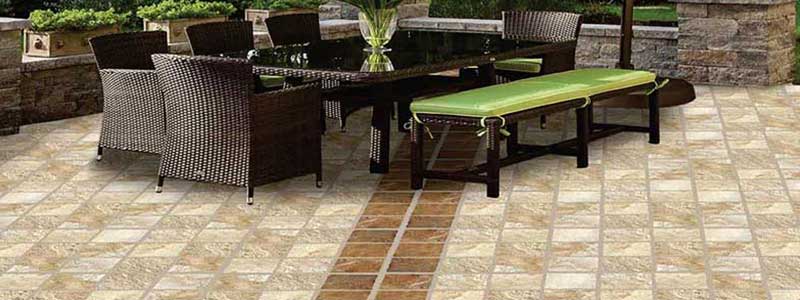

Large Format Tiles vs Small Tiles: Which Is Better for You?
Choosing the right tile size is a key decision that affects not only the visual appeal of a space but also its functionality, maintenance, and long-term performance. One of the most common questions during tile selection is big tiles or small tiles-which is better? The answer depends on space size, usage, design intent, and practical considerations.
This guide presents a clear large format tiles vs small tiles comparison, helping you understand the differences and make an informed choice.
Understanding Tile Sizes
Large format tiles typically refer to tiles larger than conventional sizes, often used to create seamless and modern surfaces.
Small tiles include compact formats that allow more layout flexibility and are commonly used in detailed or functional spaces.
Both options serve different purposes, and neither is universally better—it depends on how and where they are used.
Visual Impact and Design Appeal
One of the most noticeable differences in the small tiles vs large tiles debate is visual impact.
Large Format Tiles
Large tiles create a clean, uninterrupted look with fewer grout lines. This makes spaces appear more open and expansive, which is why large tiles design for floor applications are popular in living rooms, lobbies, and commercial interiors. They work particularly well with modern and minimalist designs.
Small Tiles
Small tiles introduce more visual detail and pattern flexibility. They are suitable for areas where texture, grip, or design variation is required. However, more grout lines can make spaces feel visually busy if not planned carefully.

Space Size and Layout Considerations
Contrary to common belief, tile size does not strictly depend on room size.
- Large floor tiles vs small tiles: Large tiles can work well in both large and medium-sized spaces when installed with proper planning and alignment.
- Small tiles are more adaptable in irregular layouts, corners, and areas with multiple fixtures.
A well-planned layout matters more than tile size alone.
Benefits of Large Format Tiles
The growing popularity of large tiles is driven by several practical advantages:
- Fewer grout lines for a seamless appearance
- Easier visual continuity across connected spaces
- Modern and premium aesthetic
- Reduced grout maintenance over time
These benefits of large format tiles
make them suitable for high-visibility areas such as living rooms, commercial interiors, and open-plan layouts.Performance and Maintenance
Maintenance is an important factor in the large format tiles vs small tiles comparison.
- Large tiles have fewer grout joints, which reduces cleaning effort and long-term maintenance.
- Small tiles may require more frequent grout cleaning but offer better adaptability in wet or utility areas.
The surface finish (matte, textured, or glossy) often has a greater impact on maintenance than tile size itself.
Tile Size Selection for Bathrooms
Bathrooms require special consideration due to moisture exposure.
- Large format bathroom tiles are increasingly used to create clean, contemporary spaces with minimal grout lines.
- Small tiles can offer better grip and drainage, especially in shower areas or slopes.
A combination of large tiles for walls and smaller tiles for floors is often used for balanced performance.
Installation and Planning Factors
Tile size affects installation complexity:
- Large tiles require precise surface preparation and skilled installation to avoid unevenness.
- Small tiles are easier to adjust during installation and work well on uneven or compact surfaces.
Installation planning plays a critical role in the overall success of the flooring.
| Factor | Large Format Tiles | Small Tiles |
|---|---|---|
| Visual appearance | Seamless, modern | Detailed, patterned |
| Grout lines | Fewer | More |
| Maintenance | Lower | Moderate |
| Installation | Requires precision | More flexible |
| Best use | Open areas, premium spaces | Utility, wet, detailed zones |
Installation and Planning Factors
A practical tile size guide includes the following considerations:
- Area size and layout
- Foot traffic and usage
- Maintenance expectations
- Design style and visual continuity
- Installation feasibility
Choosing the right size ensures both visual harmony and functional efficiency.
Conclusion
There is no single answer to big tiles or small tiles being better. Large format tiles are ideal for creating spacious, modern interiors with minimal grout lines, while small tiles offer flexibility and practicality in functional or detailed areas.
Understanding the difference between large format tiles vs small tiles helps ensure the selected tile size aligns with space requirements, design intent, and long-term performance needs. A thoughtful approach to tile size selection results in flooring that is both visually appealing and functionally reliable.


