






Common Causes of Slips and Falls in Homes & Commercial Spaces
Slips and falls are among the most common causes of injuries in both homes and commercial environments. While these incidents are often seen as accidental, they are usually the result of avoidable conditions related to flooring choice, surface maintenance, and space planning. Understanding the causes of slips and falls helps reduce risk and supports safer, more functional spaces.
From bathrooms and kitchens to corridors, lobbies, and shared areas, flooring plays a critical role in preventing accidents.
Why Slips and Falls Occur
A slip or fall typically occurs when there is insufficient traction between footwear and the floor surface, or when movement is interrupted by uneven or unexpected changes in floor level. Factors such as moisture, surface finish, poor lighting, and layout issues significantly increase risk. Addressing these issues early helps minimise accidents and improves overall floor safety.
Wet and Slippery Floor Surfaces
One of the most common slip and fall causes at home and in commercial spaces is wet flooring. Areas exposed to water, spills, or frequent cleaning—such as bathrooms, kitchens, wash areas, and entrances—are especially prone to accidents.
- Smooth surfaces become slippery when wet
- Spills left unattended increase fall risk
- Inadequate drainage worsens surface moisture
Using non slip tiles for bathroom floors and non slip wet room floor tiles helps improve grip and reduce the likelihood of slips in moisture-prone areas.
Inappropriate Tile Surface Finish
Flooring with a highly polished or glossy finish may look visually appealing but can compromise safety in functional areas. Smooth surfaces offer lower friction, especially when exposed to water or dust.
In contrast, slip resistant floor tiles with matte or textured finishes provide better traction and are more suitable for areas with regular foot movement. Selecting the right surface finish is a key step in preventing falls.
Uneven or Damaged Flooring
Uneven surfaces are a major contributor to trips and falls. Uneven flooring trip fall risks increase when tiles are poorly installed, damaged, or worn over time.
Common issues include:
- Cracked or loose tiles
- Uneven tile joints
- Sudden level changes between spaces
Maintaining uniform floor levels and timely repairs helps reduce these hazards.
Poor Drainage and Water Accumulation
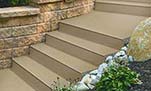
In areas such as bathrooms, balconies, wet rooms, and outdoor walkways, poor drainage allows water to accumulate on the surface. Standing water significantly increases the risk of slipping, even on textured floors.
Well-designed slopes, proper drainage planning, and suitable flooring finishes work together to maintain safer surfaces.
High-Footfall and Congested Areas
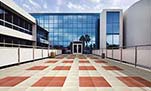
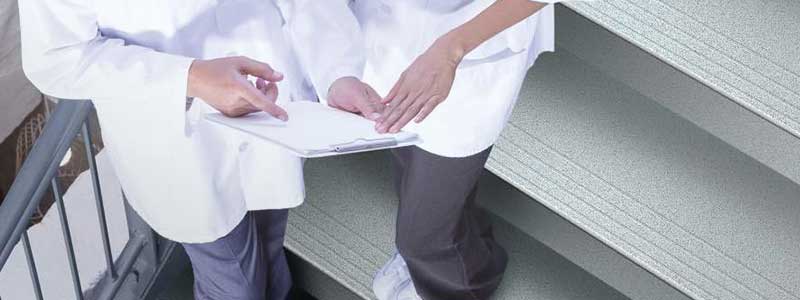
Spaces with heavy foot traffic—such as corridors, staircases, lobbies, and commercial entrances—experience higher wear and a greater risk of slips and falls. Flooring in these areas must handle continuous usage while maintaining surface grip.
Using anti slip tiles for commercial spaces helps support safety in environments with frequent movement and varied usage conditions.
Inadequate Cleaning and Maintenance
Even the right flooring can become unsafe without proper maintenance. Residue from cleaning agents, dust accumulation, or greasy buildup reduces surface traction.
Regular cleaning routines and appropriate cleaning materials are essential floor safety tips to prevent falls, ensuring surfaces remain safe under daily use.
Lack of Visual Awareness and Lighting
Poor visibility makes it difficult to notice changes in floor levels, moisture, or obstacles. Inadequate lighting increases the chance of missteps, especially in stairways and transitional spaces.
Good lighting combined with consistent flooring reduces confusion and improves spatial awareness.
Benefits of Anti-Slip Flooring
Using safety-focused flooring solutions offers long-term advantages. The anti-slip flooring benefits include:
- Reduced accident risk
- Better traction in wet and dry conditions
- Improved confidence while walking
- Lower maintenance-related safety issues
These benefits make slip-resistant tiles a practical choice for both residential and commercial spaces.
How Flooring Choices Improve Safety
Flooring plays a foundational role in accident prevention. Selecting tiles with appropriate surface texture, durability, and maintenance characteristics helps address multiple risk factors at once.
Combining slip-resistant surfaces with good drainage, even installation, and regular maintenance significantly improves safety outcomes.
Conclusion
The causes of slips and falls are often linked to flooring conditions, surface finishes, and maintenance practices. Wet surfaces, smooth tiles, uneven flooring, and poor drainage are among the most common contributors to accidents in homes and commercial spaces.
Choosing slip resistant floor tiles, addressing uneven surfaces, and following essential floor safety tips to prevent falls helps create safer, more reliable environments. A thoughtful approach to flooring selection and upkeep plays a key role in reducing fall risks and supporting long-term safety.


