








How to Choose Tiles Based on Load & Foot Traffic
Selecting tiles based on load and foot traffic is essential for ensuring long-term performance, safety, and cost efficiency. Floors in high-usage environments are exposed to continuous movement, weight pressure, and surface wear. Choosing tiles without evaluating these factors can result in cracking, surface damage, frequent repairs, and safety risks.
Understanding how tiles based on load and foot traffic perform under different conditions helps ensure reliable flooring solutions for spaces ranging from shared interiors to industrial and utility environments.
Why Load and Foot Traffic Matter in Tile Selection
Load refers to the weight exerted on the floor surface, which may include people, equipment, storage systems, or vehicles. Foot traffic refers to the frequency of movement across the floor. Areas with higher footfall experience faster surface wear, increased abrasion, and greater stress on tile joints.
This makes it essential to select floor tiles for heavy usage that are designed to withstand both continuous movement and weight pressure without compromising safety or appearance.
Understanding Foot Traffic Categories
Tile selection becomes more effective when foot traffic is categorised:
- Low traffic: Bedrooms, private rooms, low-use interiors
- Medium traffic: Living areas, offices, meeting rooms
- High traffic: Corridors, lobbies, retail spaces
- Heavy traffic: Warehouses, parking areas, industrial floors
Each category requires different levels of tile strength, thickness, and surface performance.
Tiles for High Foot Traffic Areas
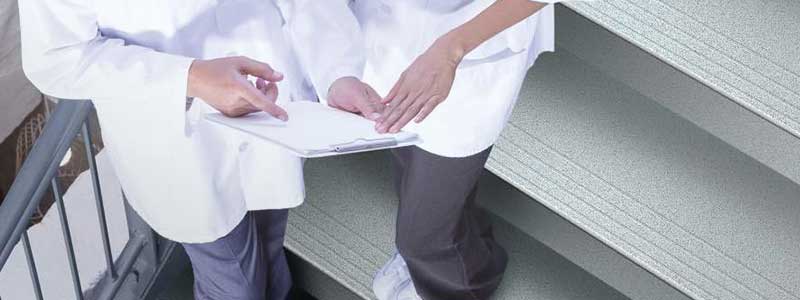
High-traffic spaces such as entrances, corridors, staircases, and shared areas require flooring that resists abrasion and maintains surface stability. Tiles for high foot traffic areas should have strong surface hardness and consistent thickness to prevent premature wear.
Matte or textured finishes are often preferred, as they reduce glare, hide scuff marks, and provide better grip under continuous use.
Choosing Tiles Based on Load Requirements
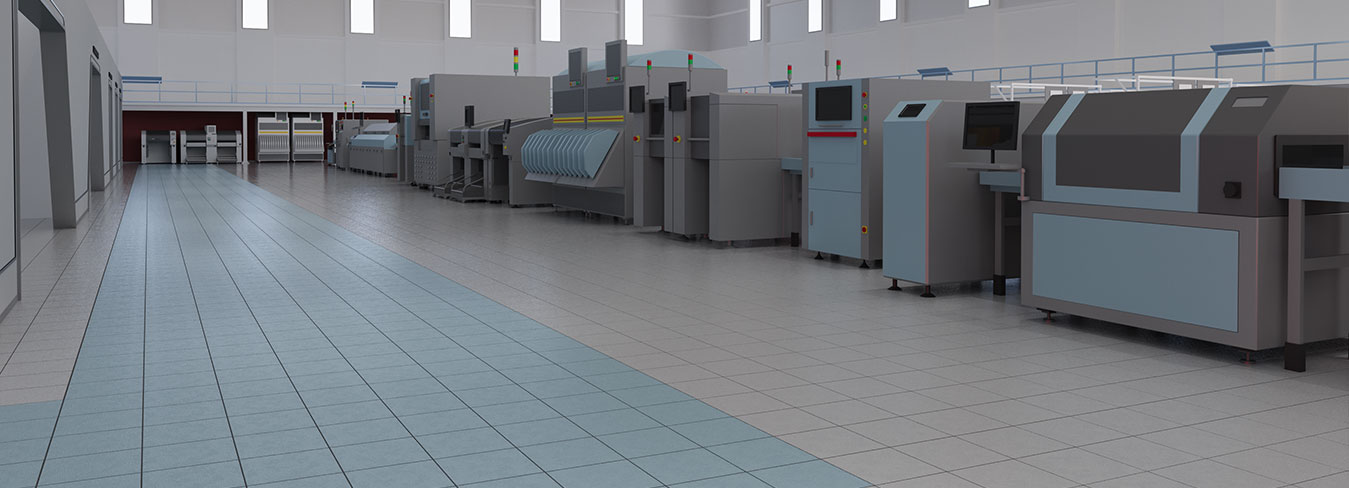
Load-bearing capacity is especially important in environments where floors are subjected to heavy weight. Industrial floor tiles load capacity should be evaluated for areas where equipment, trolleys, storage racks, or vehicles are present.
For such conditions, heavy duty tiles for high traffic are commonly used due to their higher breaking strength and ability to distribute weight evenly across the surface.
Tiles for Warehouses and Parking Areas
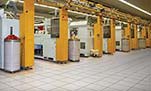
Warehouses, basements, ramps, and parking zones experience both heavy loads and continuous movement. Tiles for high traffic like warehouses and parking areas must handle rolling loads, impact stress, and frequent wear without surface failure.
Tiles used in these environments should offer:
- High load-bearing strength
- Abrasion resistance
- Anti-skid or textured surface finishes
- Low water absorption
These characteristics help ensure long-term durability and safety.
Importance of Surface Finish in High-Usage Areas
Surface finish plays a crucial role in performance. Smooth or glossy surfaces may not be suitable for high-footfall zones, especially where moisture or dust is present.
Matte and textured finishes improve traction and reduce slip risk, making them suitable for areas with continuous movement or cleaning. Selecting the right surface finish enhances safety and reduces maintenance challenges.
Installation Quality and Floor Stability
Even the best tiles may fail if installation quality is compromised. Uneven substrates, poor adhesive application, or inconsistent tile alignment can reduce load distribution and increase the risk of cracking.
Proper installation ensures tiles perform as intended under both load and foot traffic, maintaining stability across large floor areas.
Maintenance Considerations for Heavy-Use Flooring
Tiles selected for high-traffic and heavy-load areas should be easy to maintain. Flooring that resists stains, surface wear, and damage reduces long-term maintenance effort and operational downtime.
Choosing durable tiles helps maintain consistent floor performance while lowering lifecycle costs.
Conclusion
Choosing tiles based on load and foot traffic is a performance-driven decision that directly impacts durability, safety, and maintenance efficiency. High-usage environments require tiles that can withstand continuous movement, heavy weight, and surface stress without degradation.
By evaluating foot traffic intensity, load requirements, surface finish, and installation quality, it becomes possible to select flooring solutions that perform reliably across demanding environments. Thoughtful tile selection ensures long-term functionality and safer floor surfaces.


